
Most people treat spare change as forgettable, but some coins quietly carry history and potential value. The 1776–1976 Bicentennial quarter is one of them. Issued to honor 200 years of American independence, it features a unique design and a dual date that instantly sets it apart.
While the majority are common, a small number stand out due to metal content, condition, or minting errors. Knowing what to look for can help you decide whether the coin in your pocket is simply nostalgic or something more meaningful.

The Historical Meaning Behind the Bicentennial Quarter
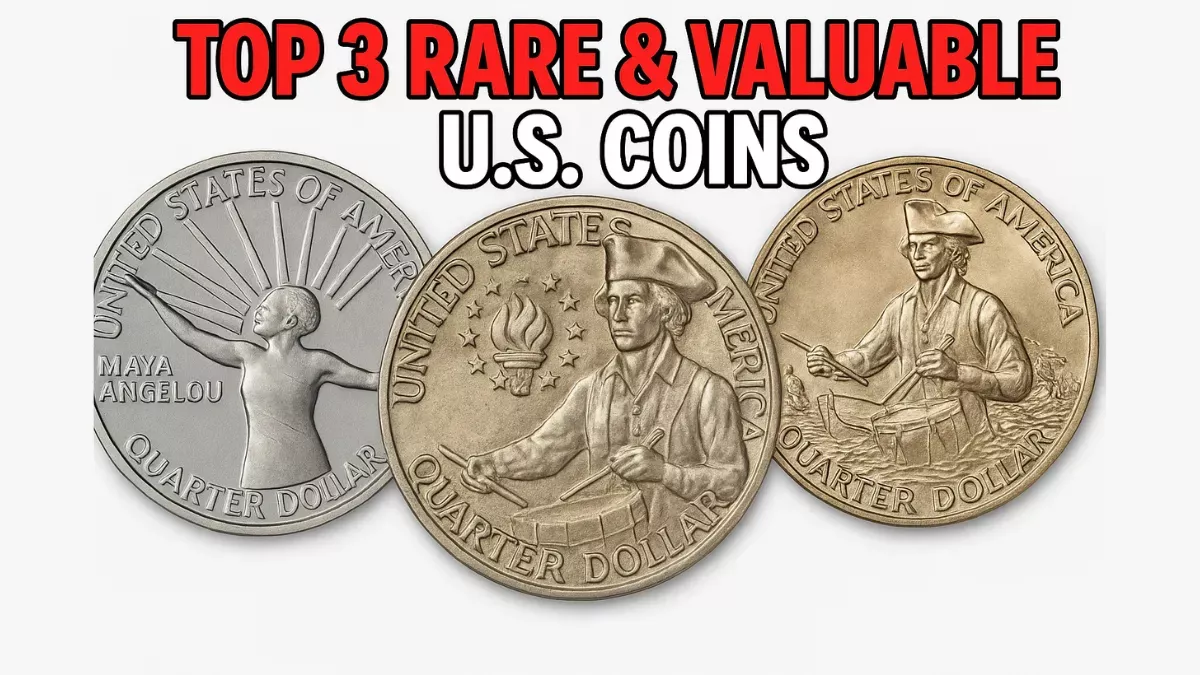
As the United States approached its 200th anniversary, the government chose to mark the occasion with special coin designs that everyday citizens would see and use. The quarter’s reverse was redesigned to show a colonial drummer with a victory torch and stars, symbolizing unity and perseverance.
The obverse retained George Washington’s portrait, creating a blend of tradition and celebration. The dual date “1776–1976” reflected both the nation’s birth and its bicentennial milestone, making this coin historically distinctive.
How Many Bicentennial Quarters Were Made
Millions of Bicentennial quarters were produced between 1975 and 1976, which explains why they are still commonly found today. Because of this high mintage, age alone does not make the coin rare. Value comes from specific characteristics that set certain examples apart from the rest. Understanding this distinction helps prevent unrealistic expectations while allowing collectors to focus on truly desirable pieces.
The Importance of Metal Composition
One of the biggest differences among Bicentennial quarters is what they are made of. Most were struck in a copper-nickel clad composition intended for circulation. However, the U.S. Mint also produced special 40% silver versions mainly for collectors.
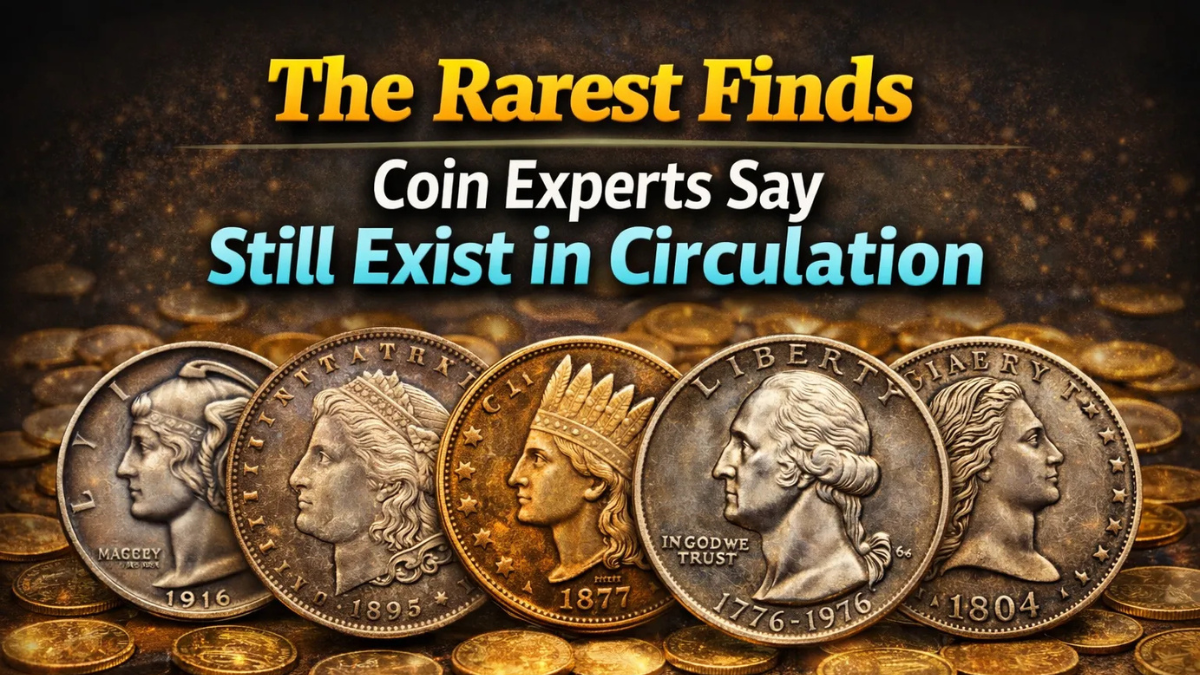
These silver quarters were sold in sets and not widely released into circulation. Their intrinsic metal value, combined with collector interest, makes them more valuable than standard clad coins, especially when well preserved.
Why Condition Matters So Much
Condition plays a major role in determining whether a Bicentennial quarter has value beyond face value. Coins that show heavy wear, scratches, or dull surfaces are generally worth only twenty-five cents.
In contrast, coins that retain sharp details, clean surfaces, and original luster can attract strong collector interest. Even small differences in condition can lead to noticeable differences in value, which is why careful handling is essential.
Mint Marks and Their Role in Value
Mint marks indicate where a coin was produced and can influence collector demand. Bicentennial quarters were struck at different U.S. mints, and while none are extremely rare by mint alone, certain combinations of mint mark and condition are more desirable. Collectors often seek complete sets, which increases interest in well-preserved examples from all mints.
Mint Errors That Make Coins Stand Out
Minting errors are among the most exciting discoveries for coin enthusiasts. These errors occurred during production and include doubled designs, off-center strikes, or missing metal along the edge.
Authentic mint errors are uncommon and can significantly increase a coin’s value when verified. It is important to distinguish real mint errors from damage that occurred after the coin left the mint, as only genuine errors are collectible.
How to Examine a Bicentennial Quarter at Home
You can perform a basic inspection using simple observation. Look closely at the coin’s edge for a solid silver appearance, which may indicate a silver version.
Examine the design details for sharpness and consistency, and note any unusual markings or misalignments. Weighing the coin can also provide clues, as silver examples are slightly heavier. Avoid cleaning the coin, since this can permanently reduce its value.
Why Collectors Still Value Bicentennial Quarters
Collectors appreciate Bicentennial quarters not only for potential value but also for their historical symbolism. These coins represent a rare moment when circulating currency was used to commemorate a national milestone.
Even common examples are collected for nostalgia, while rarer versions appeal to those seeking high-quality or unique pieces. This blend of history and collectibility keeps interest strong decades later.
Setting Realistic Expectations About Worth
It is important to approach Bicentennial quarters with realistic expectations. Most are not worth large sums, and stories of extreme prices usually involve exceptional condition, silver content, or verified errors. Understanding the factors that influence value helps protect you from disappointment while allowing you to appreciate genuine opportunities when they appear.
Conclusion
The 1776–1976 Bicentennial quarter may look ordinary, but it carries a story tied to one of America’s most important anniversaries. While only a small number qualify as valuable collectibles, learning how to identify those examples can be both educational and rewarding.
Whether valuable or not, each Bicentennial quarter remains a tangible reminder of history that can still be found in everyday life.
FAQ’s
Are all 1776–1976 Bicentennial quarters valuable?
Most are common and worth face value, but silver versions, top-condition coins, and verified mint errors can be worth much more.
How can I tell if my Bicentennial quarter is silver?
Silver versions are slightly heavier, lack a copper-colored edge, and produce a clearer ringing sound when gently tapped.
Do mint marks change the value of Bicentennial quarters?
Mint marks help identify origin, and when paired with high condition or silver content, they can increase collector interest.
Should I clean a Bicentennial quarter before selling it?
No, cleaning damages the surface and can lower value, even if the coin appears dirty or tarnished at first glance.

TO WHOM THIS MAY CONCERN I HAVE A SILVER (ONE DOLLAR) COIN FROM 1921 IS IT WREATH SOMETHING. I BEEN HAVING IT SINCE MY HUSBAND DIED. AND HAD IT FOR A VERY LONG TIME. I JUST NEED TO KNOW IS IT VALUE. THANKS!!
1976D Lincoln wheat memorial penny with profile copper zinc 3.11g
1909 to 1959 victor David Brenner VDB Frank Gasparro copper zinc 3.11g
1909 VDB Victor David Brenner VDB copper zinc 3.11g
1909. to 1959 VDB Victor David Brenner VDB copper zinc 3.11g. Contact me have it yes small penny brown colour +966572094856 Saudia Arabia Riyadh