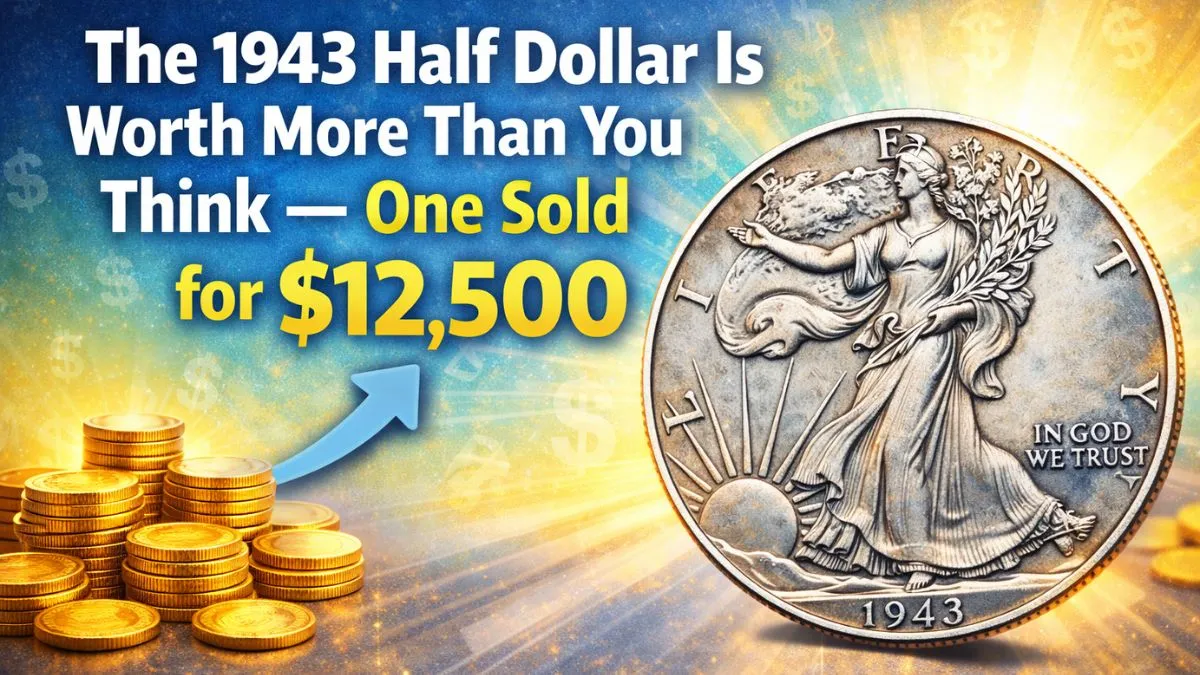
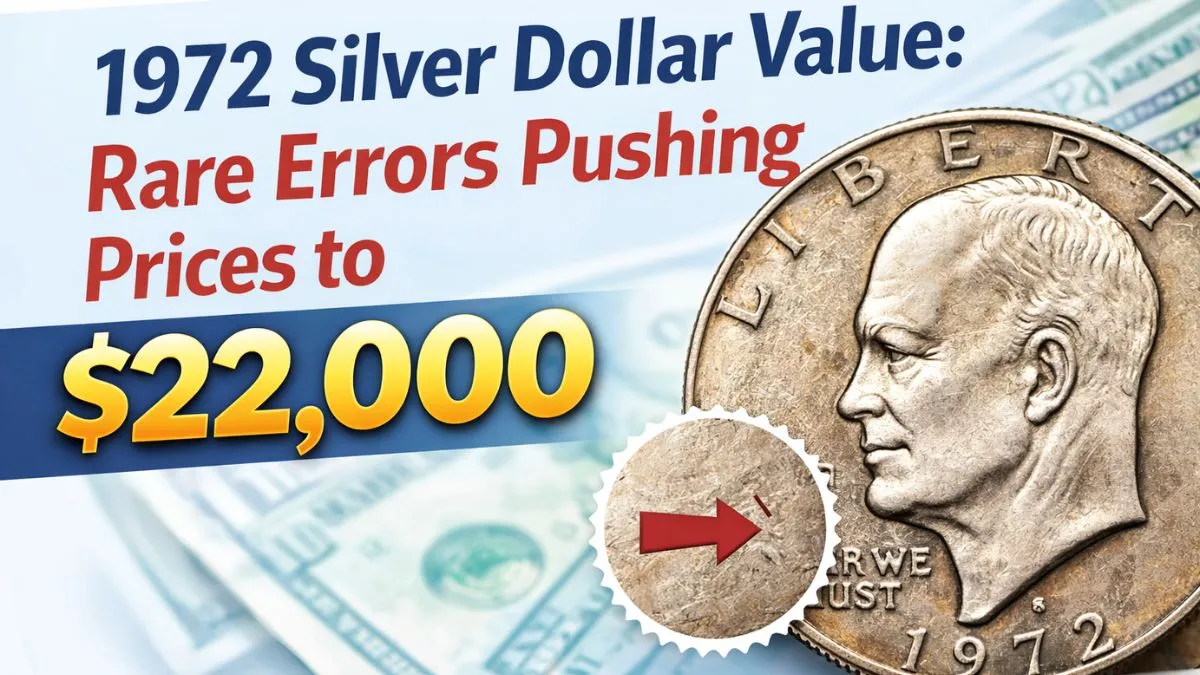
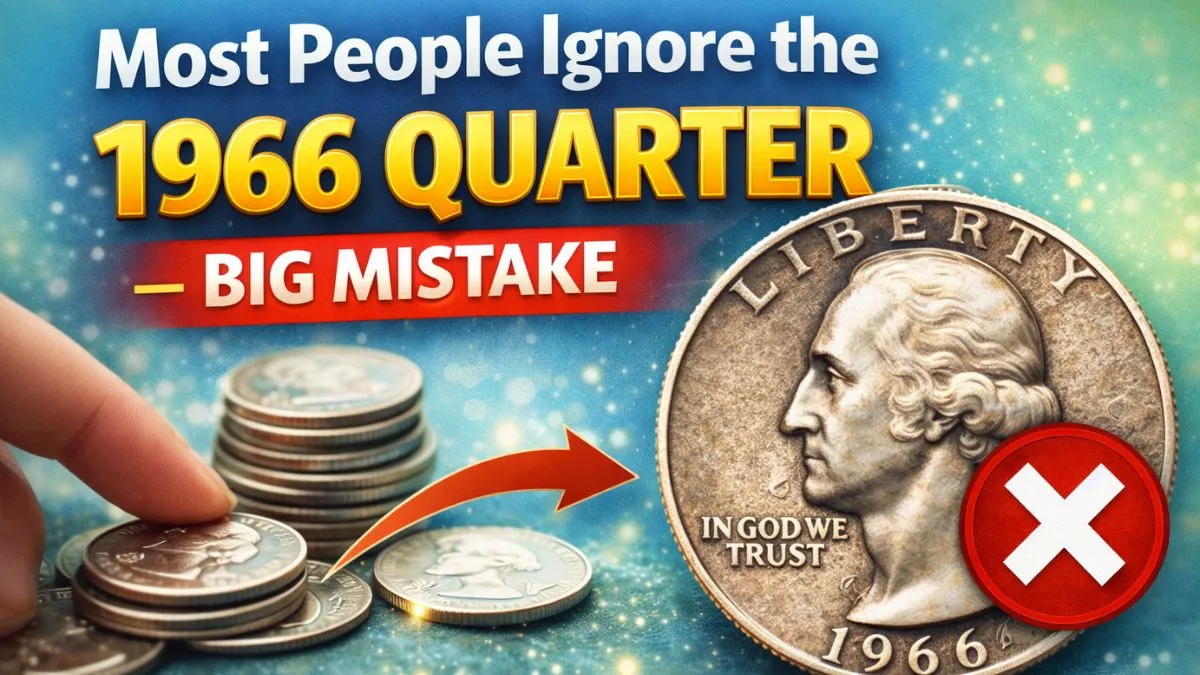
Coins are often seen as everyday objects—small change in your pocket or loose coins stored in jars at home. But sometimes, a tiny mistake in the minting process can transform an ordinary coin into a rare collector’s treasure worth thousands. These “error coins” reveal how even the smallest flaw can create extraordinary value and fascination among collectors.
The Impact of a Small Mistake
Coin minting is a precise process involving detailed engravings, exact metal compositions, and stamping procedures. Despite strict quality controls, errors can slip through. These mistakes may include misaligned designs, doubled impressions, missing elements, or incorrect inscriptions.

While these flaws are often invisible to casual observers, collectors see them as rare and highly valuable anomalies. A single design flaw can elevate a coin from ordinary to extraordinary, making it a sought-after piece in numismatic circles.
Famous Error Coins and Their Stories
Some error coins have become legendary. The 1955 doubled-die penny, for instance, features a date and inscriptions that appear doubled due to a misalignment during the die creation. Initially overlooked, these pennies now sell for thousands of dollars depending on condition.
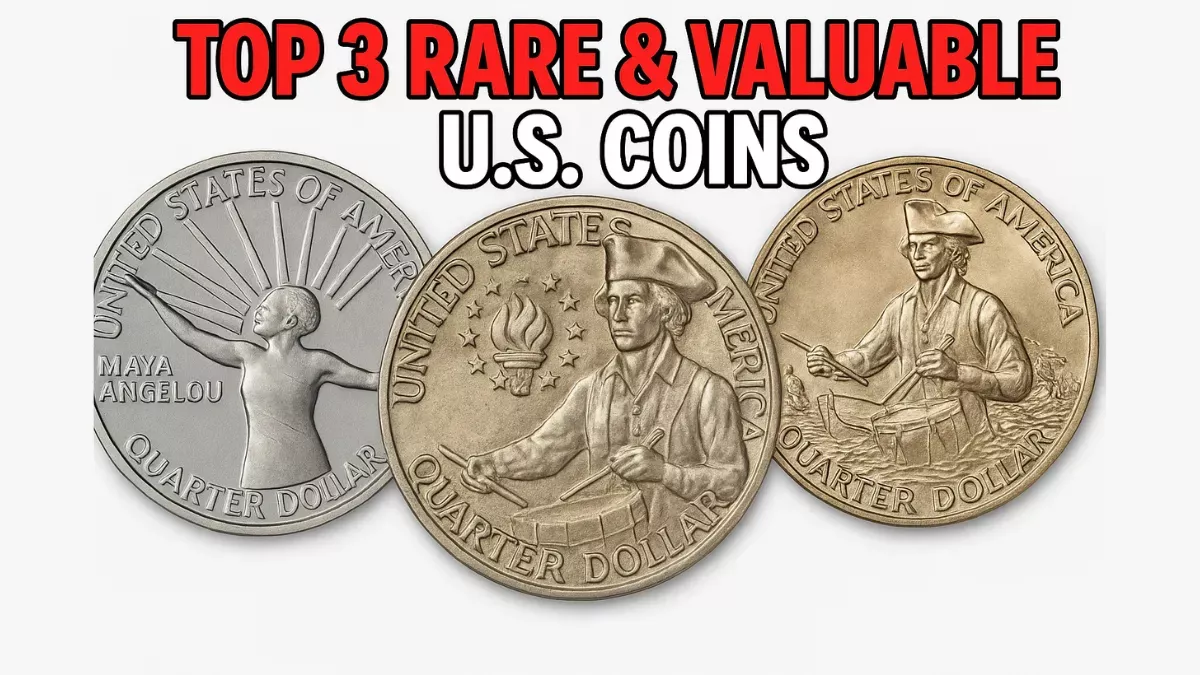
Another example is the 1976 Bicentennial quarter with a missing eye on the eagle. Such coins are prized not just for their monetary value but also for the fascinating story behind them—every flaw reflects a moment in history where perfection was slightly missed, creating something truly unique.
How to Identify a Valuable Error Coin
Finding a valuable error coin requires careful observation and knowledge. Look for unusual markings such as doubled designs, missing features, or misaligned elements. Check the date and mint mark, as variations in these can indicate rarity. Examine the coin’s condition, since pristine error coins are far more valuable than worn ones.

Using a magnifying glass or loupe can reveal flaws invisible to the naked eye. Finally, comparing the coin to a standard version helps spot subtle differences quickly. By learning these techniques, collectors can uncover hidden treasures in everyday circulation.
Why Error Coins Gain Value
Error coins gain value mainly due to their scarcity and historical uniqueness. While standard coins are produced in millions, an error coin may exist in only a handful of examples. Collectors are willing to pay a premium for rarity and the story behind the coin.
Market trends, historical significance, and condition also influence value. Tiny design errors can turn a coin worth a few cents into a collectible worth hundreds or even thousands of dollars. Even coins that appear ordinary in circulation can hold surprising value if an error is discovered.
How to Preserve Your Error Coins
Proper preservation is crucial once a valuable error coin is identified. Store coins in protective holders or flips to prevent scratches and oxidation. Avoid cleaning, as this can significantly reduce value. Keep coins away from moisture to prevent corrosion, and handle them with gloves to protect delicate surfaces.
Label coins carefully, noting the year, mint mark, and type of error for future reference. Maintaining their condition ensures that error coins retain both historical and monetary value over time.
Collecting Error Coins: A Rewarding Hobby
Collecting error coins offers a unique mix of history, art, and investment. It encourages attention to detail, research skills, and patience. Each coin tells a story of human or mechanical imperfection, transforming a simple object into something extraordinary.
Whether you are a beginner or a seasoned collector, discovering an error coin is always exciting—a perfect reminder that even the smallest flaw can create a masterpiece.
FAQ’s
What is an error coin?
A coin with a flaw in design, stamping, or engraving, often rare and valuable to collectors.
Why are error coins valuable?
Scarcity, condition, and historical uniqueness make error coins highly sought after.
How can I spot a coin error?
Look for doubled designs, missing elements, misaligned inscriptions, or unusual marks.
Should I clean my error coin?
No, cleaning can damage the coin and significantly reduce its collector value.