
Coins often tell stories about history, culture, and craftsmanship. While most coins pass quietly from hand to hand, some rare pieces hide in plain sight, circulating among the public without most people realizing their extraordinary value.
Coin experts and numismatists have long studied these elusive treasures, and even today, a few of the rarest finds still exist in everyday circulation. Whether you’re a casual collector or someone curious about hidden treasures in your pocket, these coins offer a fascinating glimpse into history—and potential fortune.

Why Some Coins Become Rare
Coins can become rare for several reasons. Minting errors, low production numbers, and historical significance all contribute to their scarcity. For example, a coin might be struck with a double die, causing the design to appear doubled—an error that can turn a simple coin into a collector’s dream. Similarly, coins issued in limited quantities to commemorate special events or anniversaries often become valuable over time.
Experts emphasize that rarity isn’t just about age. A relatively modern coin can be highly sought after if it has a unique mistake or a small production run. These nuances make coin collecting both challenging and rewarding, as even ordinary coins in circulation could hide a hidden gem.
Rare Coins You Might Still Find
1. 1943 Copper Penny
Most 1943 pennies were made from steel due to wartime copper shortages. However, a few were mistakenly struck in copper, making them extraordinarily rare. Today, a 1943 copper penny in good condition can fetch hundreds of thousands of dollars at auctions. Coin experts stress that even pennies from common years deserve a closer look.
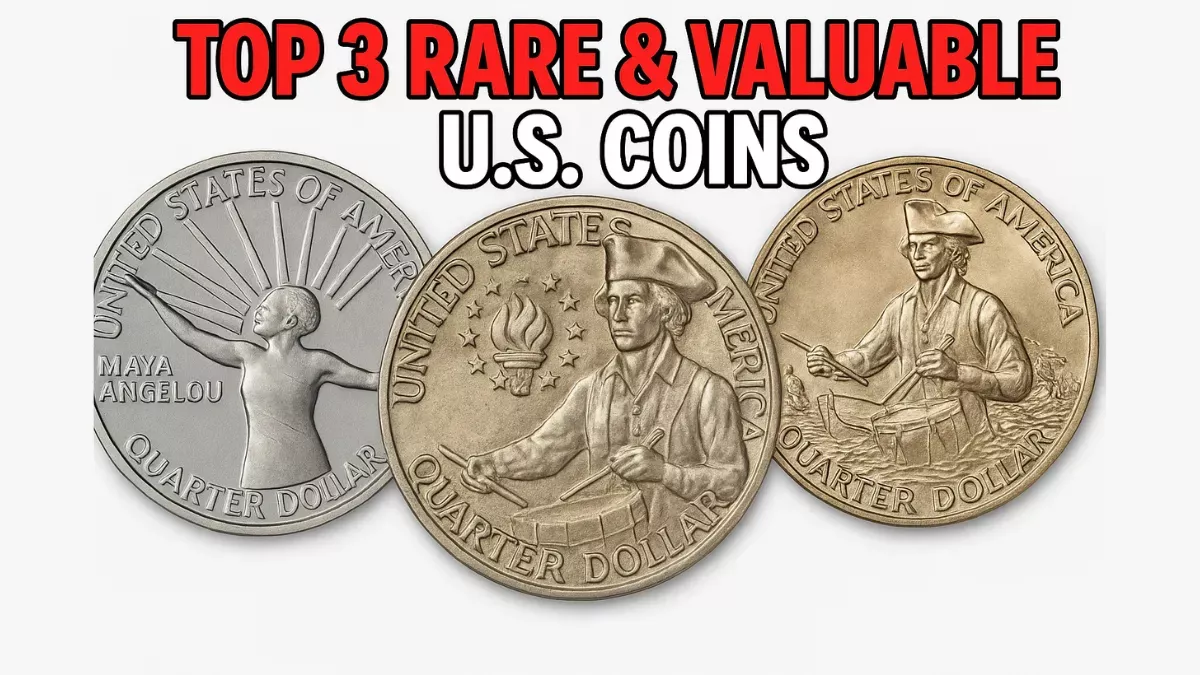
2. 1976 Bicentennial Quarter
The U.S. Mint released special quarters in 1976 to celebrate the nation’s 200th anniversary. While millions were minted, some variations, including proof and uncirculated editions, remain highly collectible. Experts advise checking quarters for unusual features, such as double-die errors or misaligned designs.

3. 1969-S Doubled Die Penny
A rare mistake on the 1969-S penny caused the date and letters to appear doubled. Fewer than 1,000 are estimated to exist, making it a holy grail for penny collectors. Even a worn version can be valuable if authenticated by a professional.
4. 2000 Sacagawea Dollar with Missing Edge Lettering
Some Sacagawea dollars from 2000 were released with missing or partially missing edge lettering. These coins are considered extremely rare and have been found surprisingly in circulation. Detecting these errors requires careful observation, but they are genuine finds worth thousands of dollars.
5. 1937-D Three-Legged Buffalo Nickel
This famous coin resulted from an over-polishing error at the Denver Mint, removing one of the buffalo’s legs. Although nickels from the 1930s are common, this particular variation is one of the most recognizable and valuable coins from that era.
How to Spot Rare Coins in Circulation
Spotting rare coins isn’t just about luck. Experts recommend a few practical steps:
- Examine Dates and Mint Marks – Coins with unusual dates or mint locations may indicate scarcity.
- Look for Errors – Double dies, missing elements, or unusual shapes can dramatically increase value.
- Check Condition – Even small scratches or wear can affect value, but some rare coins retain value even in circulation.
- Use a Magnifying Glass – Fine details like misprints or doubled elements are often visible only up close.
- Consult Professionals – When in doubt, certified numismatists can authenticate coins and determine market value.
Why Experts Encourage Checking Your Change
Many rare coins still exist outside of collections, tucked away in pockets, wallets, and cash registers. While the odds of finding one may be small, the potential reward is significant. Coin experts advise regular collectors and even casual savers to inspect coins carefully, especially before spending or depositing them. Some of the rarest finds were discovered purely by chance in everyday transactions, proving that treasure hunting can be as simple as checking your loose change.
Conclusion
The world of rare coins is both intriguing and rewarding. From the elusive 1943 copper penny to the uniquely mistaken 1937-D Buffalo Nickel, these coins remind us that history and fortune can often hide in the most ordinary places. With a little patience, careful observation, and expert guidance, even casual collectors can stumble upon coins of extraordinary value still circulating today.
Whether you’re exploring numismatics as a hobby or seeking potential financial windfalls, the hunt for rare coins is a journey that combines curiosity, knowledge, and the thrill of discovery. Next time you handle change, take a moment to look closer—you might just be holding history in your hand.
FAQ’s
What makes a coin rare?
Coins become rare due to limited mintage, mint errors, or historical significance that makes them valuable.
Can rare coins still be found in circulation?
Yes, some coins with unique errors or low production numbers still occasionally appear in everyday circulation.
How do experts authenticate rare coins?
Numismatists examine details like mint marks, errors, and metal composition to determine authenticity.
Are modern coins ever valuable?
Yes, modern coins with errors or special editions can be highly sought after by collectors.


Got robbed by adopted daughter 1943 coins did not stick to a magnet now have several coins where to go in Indianapolis Indiana helpe