Coins are more than just spare change; they are small pieces of history that pass quietly through our hands every day. Some U.S. coins stand out because of rare designs, historical moments, or cultural importance.
While most coins are only worth their face value, a few become special due to limited production, unique features, or the stories they represent. Understanding why certain coins matter helps collectors and beginners appreciate their real value without falling for exaggeration or myths.

The 1976 Bicentennial Quarter
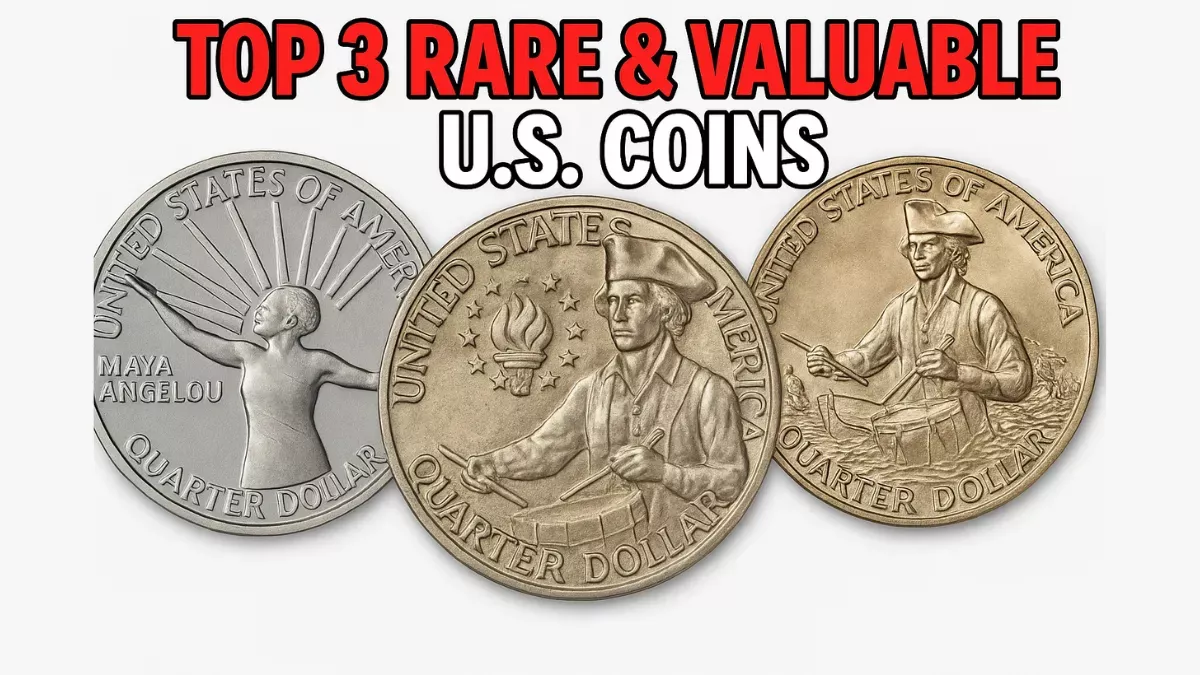
The 1976 Bicentennial Quarter was released to celebrate 200 years of American independence. It features a unique reverse design showing a Colonial drummer, along with the dual date “1776–1976.” This makes it different from regular quarters and instantly recognizable.
While most Bicentennial Quarters are still common, some versions are more desirable, especially those struck in 40% silver or preserved in excellent condition. Coins with minting errors or proof finishes can also attract strong collector interest. The true value of this coin lies in its historical meaning rather than quick profits.
The Maya Angelou Quarter
The Maya Angelou Quarter is part of the American Women Quarters Program and holds deep cultural importance. Maya Angelou was a celebrated poet, author, and civil rights activist, and this coin made history by honoring her as the first Black woman featured on a U.S. quarter.
The design shows her with uplifted arms, symbolizing freedom, strength, and hope. Although this coin is modern and still widely circulated, its long-term appeal comes from its cultural significance and place in U.S. history. Well-preserved examples may become more collectible over time.

The 1909-S VDB Lincoln Penny
The 1909-S VDB Lincoln Penny is one of the most famous U.S. coins among collectors. It was the first year the Lincoln cent was issued and featured the designer’s initials “VDB” prominently on the reverse.
Public criticism led to the initials being removed shortly after release, making this version rare. With a low mintage and strong historical background, even worn examples are valuable to collectors. This coin clearly shows how design changes and public reaction can create lasting rarity.
How to Identify Valuable Coins
Identifying a valuable coin starts with checking the date, mint mark, and overall condition. Small details often make a big difference. Coins should be handled carefully and stored properly to avoid damage. It is also important to understand that age alone does not guarantee value. Rarity, demand, and condition work together to determine how desirable a coin truly is.
Why Coin Collecting Remains Popular
Coin collecting continues to grow because it combines history, learning, and personal discovery. Coins like the 1976 Bicentennial Quarter, the Maya Angelou Quarter, and the 1909-S VDB Penny represent different moments in American history.
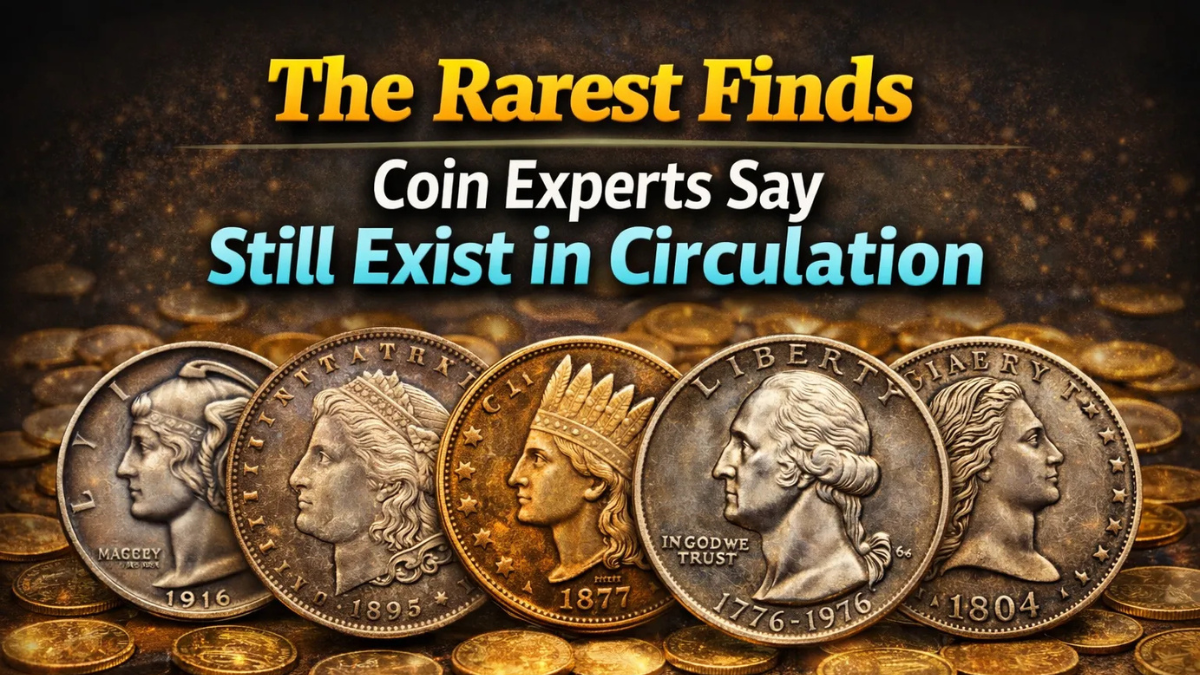
Collectors value them not only for potential worth but also for the stories they carry. This connection to the past makes coin collecting a rewarding and educational hobby.
Conclusion
Rare and valuable U.S. coins remind us that history often hides in plain sight. From celebrating independence to honoring cultural icons, these coins reflect important chapters of American life.
Whether you are a casual collector or just curious about the change in your pocket, understanding what makes a coin special adds meaning beyond its monetary value. Sometimes, the greatest reward is simply recognizing the story behind the coin.
FAQ’s
Are all 1976 Bicentennial Quarters valuable?
Most Bicentennial Quarters are common and worth face value, but silver versions, error coins, and well-preserved pieces can be collectible.
Why is the Maya Angelou Quarter important?
It honors Maya Angelou as the first Black woman on a U.S. quarter, representing cultural progress and historical recognition.
Can modern U.S. coins become valuable in the future?
Yes, coins linked to important events, people, or special programs can gain collector value over time, especially in good condition.
Should old or rare coins be cleaned?
No, cleaning coins can damage their surfaces and reduce collector value, even if they appear cleaner or shinier.